Aluminum Carport- A Practical and Versatile Shelter for Your Cars
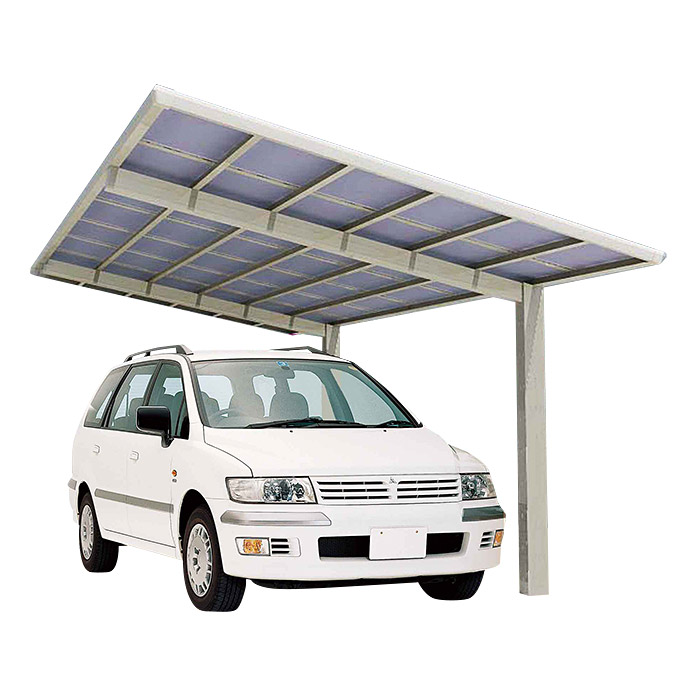
Aluminum carport is a practical, open-sided structure designed to protect vehicles—cars, trucks, motorcycles, even boats—from the elements. Unlike fully enclosed garages, carports balance shelter and ventilation, making them an ideal, affordable choice for homeowners, businesses, and property managers needing flexible vehicle protection. With diverse designs, materials, and sizes, they have become a staple in residential and commercial settings, blending functionality and aesthetics to boost a property’s utility and value.
The main purpose of a carport is to shield vehicles from damaging weather. Sunlight, rain, snow, hail, and debris can harm a vehicle’s exterior and interior, causing faded paint, rust, water damage, and premature wear. A well-built carport blocks direct sunlight to prevent UV damage and heat buildup, while keeping rain, snow, and hail off the surface to avoid corrosion and dents. It also protects against falling leaves and branches, reducing the need for frequent vehicle cleaning.
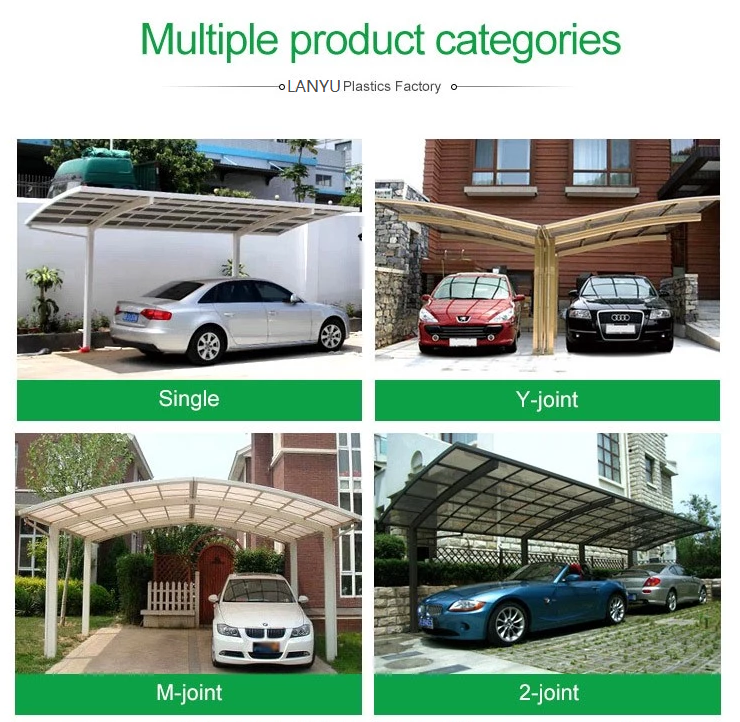
Carports come in three common types to suit different needs. Freestanding carports are standalone, offering maximum location flexibility—ideal for properties with space, accommodating multiple vehicles for families or businesses. Attached carports connect to existing buildings (houses, garages), saving space, sharing a wall to cut construction costs, and creating a seamless transition.
Portable carports are lightweight and temporary, made from durable aluminum or steel frames with waterproof fabric canopies. Easy to assemble, disassemble, and move, they suit renters, temporary worksites, or those needing relocation. Carports can also be customized with side panels, doors, or shelves, turning them into multi-functional spaces beyond vehicle protection.
Material choice determines a carport’s durability, appearance, and cost. Frame options include steel (strong, weather-resistant, galvanized/painted to resist rust), aluminum (lightweight, rust-proof, perfect for coastal areas), wood (classic, natural, matches homes but needs regular maintenance), and vinyl (low-maintenance, resistant to rot and insects).
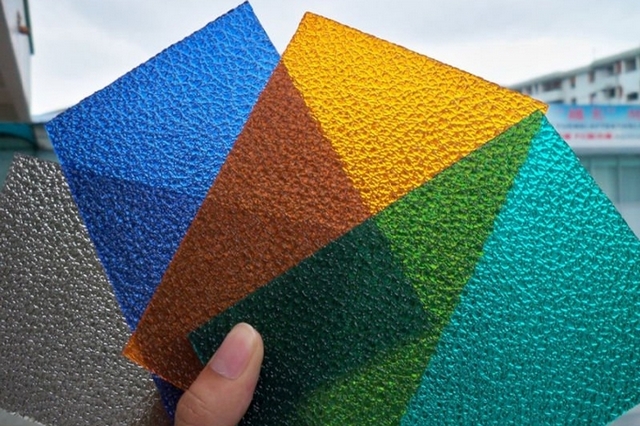
Roof materials matter too: metal sheeting (durable, waterproof), polycarbonate panels (lightweight, lets in natural light), and fabric canopies (flexible, affordable for portable models). Beyond vehicle protection, carports offer extra value—they provide shade for outdoor activities like barbecues, serve as storage for tools or bicycles, and boost business customer satisfaction with covered parking. They also enhance curb appeal and property resale value.
When choosing a carport, consider size (based on vehicle number/type), location (easily accessible, no obstruction), and material/design (aligned with budget, climate, and aesthetics). For heavy snowfall, a steep-roof steel carport prevents snow buildup; for sunny areas, polycarbonate panels keep the space bright. With careful selection, a carport becomes a practical, long-lasting investment for any property.